
Clermont, FL · Garage Door Service
Garage Doors in Clermont: What the Local Housing Stock Tells You
A look at how Clermont's 1980s-90s housing stock and mild climate affect garage door wear, what repairs actually run, and the mistakes homeowners here make most.
- Repairs & new doors
- Springs & openers
- Serving 8 nearby communities
How Local Conditions Play In
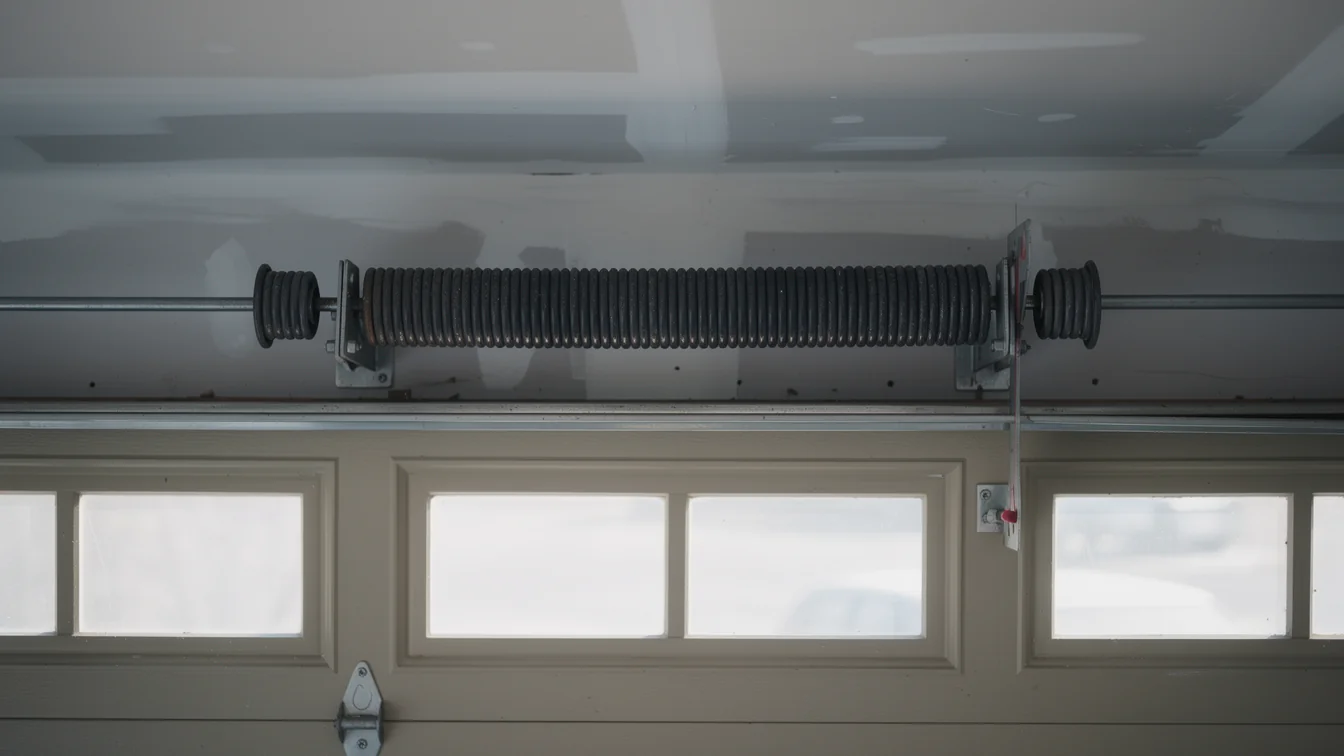
Clermont sits in a mild temperate band, and that works against you in a quiet way. There's no deep freeze to force a yearly hardware check, so a lot of doors here run for a decade without anyone touching the springs or rollers. Then a cold snap comes through - even a mild one - and a torsion spring that's been losing tension slowly finally lets go, usually on the coldest morning of the stretch. Metal contracts, lubricant stiffens, and a spring that was already marginal breaks when a spring goes in cold weather, not in July. Humidity is the other factor. It doesn't freeze pipes here, but it does swell wood jambs and header boards over time, which throws off the fit on doors installed before vinyl-clad trim became standard. If your house was built in the 1980s or 90s - and most of this area's housing stock falls right in that window - the original track and jamb hardware was sized for wood that's moved since. None of this is dramatic. It's slow wear that gets ignored because nothing forces the issue, until the one morning it does.
What You Pay
I don't have a price list to hand you here - costs depend on what's actually wrong, the door size, and whether it's a repair or a full swap. What I can tell you is how income and housing patterns around Clermont shape the calls we get. Median household income across this service area runs around $84,211, and with roughly 49,775 owner-occupied houses out of 89,326 households, most of the work is on single-family homes people plan to stay in for years, not flip. That changes the math on repair versus replace. A homeowner who's been in a 1990s-built house for fifteen years usually wants the door fixed right, not patched cheap, because they're not moving. If a fair number of parts on your door are original to a house built in the early 90s, expect the estimate to lean toward replacing the spring set and opener together rather than piecing it out - mismatched old and new hardware is where callbacks come from.
What Is Going On
Housing in this part of Florida was built mostly between 1973 and 2021, with the bulk going up in the 1980s and 90s across the named communities nearby - Minneola, Oakland, Montverde, Ferndale, and the rest of the cluster within about twenty miles. That spread matters because it means two very different door generations are still in daily use: steel doors from the 80s with galvanized torsion springs rated for a mild climate, and newer doors from the 2000s and 2010s with composite panels and different spring tension entirely. A door that's thirty-plus years old wasn't built with today's insulation standards, and in a mild band like this one, that's mostly a comfort issue, not a structural one - garages here don't need the cold-climate sealing that colder regions build for. The failure pattern I see most is gradual: nylon rollers wearing out from heat cycling, not ice, since this area doesn't get the freeze-thaw stress that chews up hardware up north. It's steady Florida sun and humidity doing the damage, just slower.
What Most People Get Wrong
The biggest mistake is assuming a mild climate means no maintenance schedule. People hear "no winter" and skip the yearly lubrication and hardware check entirely, figuring the door's fine because nothing's frozen. But heat and humidity cycling wear rollers and loosen fasteners just as surely as cold does elsewhere - it just takes longer to show. Second mistake: homeowners in the older end of the 1973-2021 build range assume their original spring and opener can be serviced indefinitely. Sometimes that's true. Sometimes the drum and cable are worn past matching to a new spring without replacing both, and I'll tell you straight when that's the case rather than sell you a patch that fails in six months. I won't put a new spring on a shot cable drum just to get a job done cheap - it's not worth the callback or the risk. If your door is original to a house built in the 80s, the honest move is usually a full hardware refresh, not a single-part swap.
Frequently asked questions
Why did my spring break on a cold morning when Clermont barely gets cold?
A spring loses tension gradually over years, often invisibly. In a mild climate like this one it can run marginal for a long time with no obvious sign. The one morning temperatures dip enough to stiffen the metal and lubricant is usually the morning a spring that was already near its limit finally snaps.
Does my house's age matter for garage door repair?
Yes. Most homes in this area were built in the 1980s and 90s, and a lot of original torsion hardware and track from that era doesn't match current spring and drum sizing. If your door is original to a house from that window, expect the fix to involve more than one part.
Do I need special weatherproofing for a Florida garage door?
Not the cold-climate sealing you'd see further north - this is a mild temperate band, not a freeze zone. The bigger concern here is humidity and heat cycling wearing rollers and loosening fasteners over years, which calls for routine lubrication rather than insulation work.
Related garage door services in Clermont
More garage door guides
Book garage door service in Clermont
Call now or request a quote - tell us what the door is doing and where you are.